
"wet-processed coffee"
400 article(s) found

Introduction to the Origin and Flavor treatment of Ethiopian Coffee quality characteristics of Grinding scale
Ethiopian Coffee Origin Flavor treatment quality characteristics Grinding scale Origin introduction the traditional treatment method is solarization. In 1972, the first batch of washing processing plants were built in the Yirgacheffe production area. Decades ago, most coffee is now wet-processed in the western and southern regions. In general, wet-processed coffee is thought to be purer, softer and round.
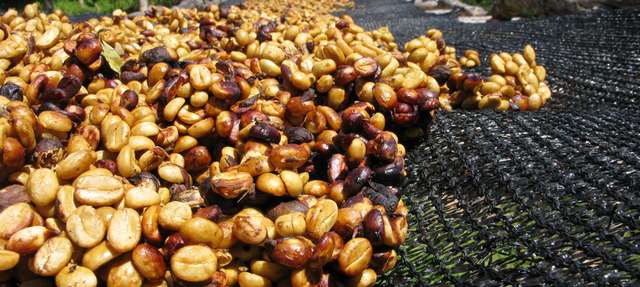
Coffee treatment, honey treatment, yellow honey, red honey, black honey, invented by Costa Rica.
Juxtaposed with the two traditional treatment methods, water washing and sun treatment, honey treatment has also become a unique method in coffee treatment. Honey treatment, that is, honey or miel,honey means honey, and miel means honey in Latin, so beans made in this way are always reminiscent of sweet. On many occasions and under many conditions, it seems that pluped natural treatment
Boutique coffee beans introduce La Suna's Mantenin Coffee
La Suna Rasuna is a new Mantenin coffee bean variety grown in the Takengon Kengang region of Sumatra, Indonesia. Wet-processed to reduce acidity, Rasuna coffee beans have full Sumatran aromas, rich chocolate and mellow and smooth flavors. Rasuna Varietal La Souna Origin: Indonesia height: it is best to grow above 1200 meters above sea level.

Is the coffee in the minority producing areas of Ethiopia good?
Professional coffee knowledge exchange more coffee bean information please follow the coffee workshop (Wechat official account cafe_style) Ethiopian DJIMMAH Coffee Djimmah Coffee grows in the Illubabor and Kaffa areas at 4400 to 6000 feet above sea level and is an excellent low-acid Ethiopian coffee when it is wet-processed (washed). When Djimah is naturally dried; however,

Introduction of coffee beans and some boutique coffee in the main producing areas of coffee beans in the world (5)
Coffee beans and some boutique coffee in the main producing areas of coffee beans in the world: Australia
Introduction of coffee beans and some boutique coffee in the main producing areas of coffee beans in the world (2)
Introduction of coffee beans and some boutique coffee in the main coffee producing areas of the world: central America

Introduction of Coffee planting and Primary processing Ethiopian ritual species taste characteristics Variety Grinding scale
Coffee cultivation and initial processing the taste characteristics of Ethiopian ritual varieties grinding scale introduction ET has long been one of the top ten coffee producing areas in the world, but also a pioneer in African producing areas. ET has a federal department, the coffee and tea Authority, that specializes in coffee and tea-related matters, such as setting purchase prices for washing plants. ET produces a lot of coffee, but it is similar to
Introduction of coffee beans and some boutique coffee in the main producing areas of coffee beans in the world (3)
Introduction of coffee beans and some fine coffee in the main producing areas of coffee beans in the world: Africa

Boutique Coffee learn Coffee Common sense what is wet coffee?
What is wet coffee? This kind of coffee is peeled and separated from the pulp when the beans are still wet. Most of the world's most famous coffee is wet-processed to strengthen its acidity. In traditional wet processing, the coffee skin is separated and the peeled coffee beans are placed in a container so that the enzyme loosens the sticky peel or mucus (fermentation), and then the loose fruit is washed.

Boutique Coffee basic knowledge of Coffee what is wet coffee?
This kind of coffee is peeled and separated from the pulp when the beans are still wet. Most of the world's most famous coffee is wet-processed to strengthen its acidity. In traditional wet processing, the coffee skins are separated and the peeled coffee beans are placed in a container so that the enzyme loosens the sticky peel or mucus (fermentation), and the loose fruit is then washed off (washed).

What is wet coffee? Basic knowledge of introduction to Coffee
What is wet coffee? This kind of coffee is peeled and separated from the pulp when the beans are still wet. Most of the world's most famous coffee is wet-processed to strengthen its acidity. In traditional wet processing, the coffee skin is separated and the peeled coffee beans are placed in a container so that the enzyme loosens the sticky peel or mucus (fermentation), and then the loose fruit is washed.
Boutique coffee learn what is wet coffee
This kind of coffee is peeled and separated from the pulp when the beans are still wet. Most of the world's most famous coffee is wet-processed to strengthen its acidity. In traditional wet processing, the coffee skins are separated and the peeled coffee beans are placed in a container so that the enzyme loosens the sticky peel or mucus (fermentation), and the loose fruit is then washed off (washed).
Basic knowledge of boutique coffee what is wet coffee?
This kind of coffee is peeled and separated from the pulp when the beans are still wet. Most of the world's most famous coffee is wet-processed to strengthen its acidity. In traditional wet processing, the coffee skins are separated and the peeled coffee beans are placed in a container so that the enzyme loosens the sticky peel or mucus (fermentation), and the loose fruit is then washed off (washed).

Boutique coffee knowledge what is wet coffee?
This kind of coffee is peeled and separated from the pulp when the beans are still wet. Most of the world's most famous coffee is wet-processed to strengthen its acidity. In traditional wet processing, the coffee skins are separated and the peeled coffee beans are placed in a container so that the enzyme loosens the sticky peel or mucus (fermentation), and the loose fruit is then washed off (washed).

What is wet coffee? Basic knowledge of boutique coffee
This kind of coffee is peeled and separated from the pulp when the beans are still wet. Most of the world's most famous coffee is wet-processed to strengthen its acidity. In traditional wet processing, the coffee skins are separated and the peeled coffee beans are placed in a container so that the enzyme loosens the sticky peel or mucus (fermentation), and the loose fruit is then washed off (washed).

Boutique Coffee what is wet coffee?
This kind of coffee is peeled and separated from the pulp when the beans are still wet. Most of the world's most famous coffee is wet-processed to strengthen its acidity. In traditional wet processing, the coffee skins are separated and the peeled coffee beans are placed in a container so that the enzyme loosens the sticky peel or mucus (fermentation), and the loose fruit is then washed off (washed).
Rasuna Varietal La Souna Manning Coffee
La Suna Rasuna is a new Mantenin coffee bean variety grown in the Takengon Kengang region of Sumatra, Indonesia. Wet-processed to reduce acidity, Rasuna coffee beans have full Sumatran aromas, rich chocolate and mellow and smooth flavors.

How about the flavor of Limu coffee in Limu, Ethiopia?
Limu coffee grows in southwestern Ethiopia, ranging from 3600 feet to 6200 feet above sea level. It is a high-quality wet-processed (washed) Ethiopian coffee with relatively low acidity but some sharpness. Coffee in western Ethiopia is usually divided into Limu and Djimmah. Limu is washed and Djimmah is sun-treated.

Introduction of Ghimbi in Kinbi producing area of Ethiopia | what are the characteristics of Jinbi coffee?
Ethiopian Ghimbi coffee is a wet-processed (washed) coffee variety grown in western Ethiopia. It is reported that Kim coffee is thicker than Ethiopian Hara coffee. Gibby is famous for its complex flavor and rich, sharp acidity. Altitude: 1500-2100m harvest time: February-April varieties: original varieties flavor: bright citric acid, complex and abundant

Taste characteristics and planting area of Coffee beans in Limu Lim producing area of Ethiopia
Limu Lim is a high-quality wet-processed (washed) Ethiopian coffee with relatively low acidity but some sharpness. Hand-brewed coffee is famous for its well-balanced body (taste) and obvious aroma and spicy taste, usually with fruity, sweet, vibrant and floral aromas. Essel